
How to Layer a Cowhide Rug: 6 Combinations That Actually Work
Layering a cowhide rug over another rug is one of the easiest ways to add texture, contrast, and depth to your space. Whether you’re placing a cowhide rug on carpet, over a jute rug, or layering two cowhides together, the key is to balance the angles, size, and colors to get it right.
This guide shows you exactly how to layer a cowhide rug using simple combinations that actually work, so you can get it right on your first try!
Why Layer a Cowhide Rug Over Another Rug?
Cowhide rugs are naturally:
- Thin and flexible
- Durable and easy to maintain
- Full of variation and character
That makes them perfect for layering.
They work especially well:
- Over jute or sisal rugs
- On top of flatweave wool rugs
- Even directly on carpet
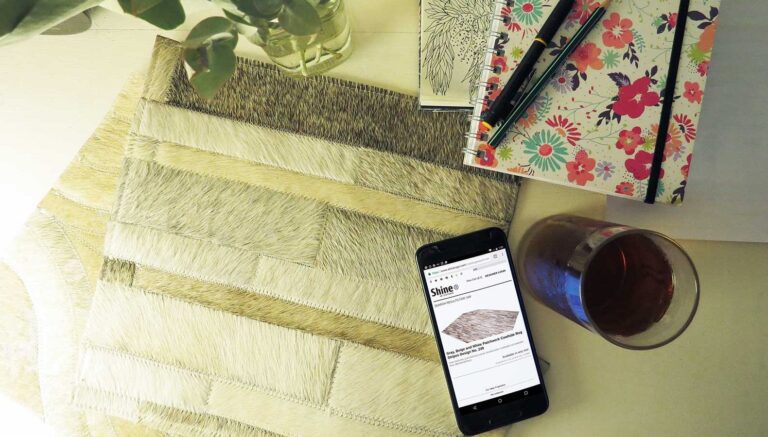
And if you want something more structured, patchwork cowhide rugs offer a cleaner, more architectural version of this look.
1. Layering a Cowhide Rug Over a Jute or Natural Fiber Rug
This is the most popular combination, and for a good reason: it’s the easiest to get right!
Jute, sisal, or seagrass rugs bring an earthy, grounded texture that pairs beautifully with the smooth, natural markings of a cowhide. It’s casual, warm, and incredibly versatile.
Go for a beige or tricolor cowhide over a woven natural fiber base, and you’ve got a look that works in a farmhouse living room, a boho bedroom, or even a modern coastal space.
A neutral jute or sisal rug creates a textured base. The cowhide adds movement and contrast.
Why it works?
- Strong texture contrast
- Neutral tones stay cohesive
- Fits almost any style
Pro tip: Place the cowhide slightly diagonal. Perfect symmetry feels forced.

2. How to Layer a Cowhide Rug Over a Kilim or Patterned Rug
This is where layering becomes more expressive.
The patterned rug brings color and identity. The cowhide balances it.
A total gem: A Navajo-style blanket or a vibrant Kilim area rug paired with a cowhide is the kind of combination that makes a room look like it was designed by someone who really gets it. The geometric patterns bring color and culture; the cowhide adds organic texture and grounds the whole thing.
The trick? Make sure at least one rug in the pairing is more neutral. Let the Kilim be the star, and let the cowhide be the cool, low-key sidekick.
How to make it work:
- Let one rug dominate visually
- Match one tone between both rugs
- Avoid too many competing patterns
This combination works especially well in boho, eclectic, or warm interiors.

3. Using a Cowhide Rug Over a Persian or Vintage Rug
A more refined, layered look.
If you have a vintage Persian or Turkish rug and you’re not sure what to do with it, try layering a cowhide on top. The combination of intricate traditional patterns with the raw, organic texture of cowhide creates a contrast that feels luxurious and lived-in at the same time.
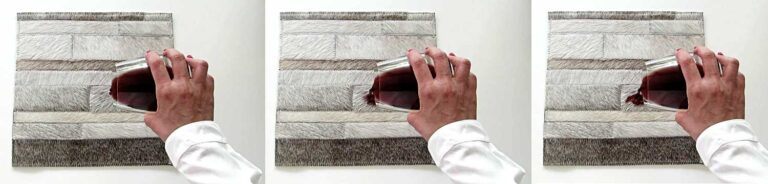
This pairing also solves a practical problem: cowhide is naturally stain-resistant and incredibly durable, so it protects the rug underneath in high-traffic spots.
Traditional rugs can sometimes feel heavy on their own. A cowhide breaks that up.
Why it works?
- Contrast between structure and organic shape
- Adds lightness to dense patterns
- Protects high-traffic areas
Pro Tip: Choose a cowhide with a soft tone that picks up at least one of the colors in the Persian rug, a cream, ivory, or sandy beige tends to work with almost any palette.

4. Can You Put a Cowhide Rug on Carpet? (Yes, Here’s How)
Yes, you can absolutely place a cowhide rug over carpet.
This is one of the most useful applications.
The irregular shape creates a natural focal point and adds a sense of flow and balance to a room, giving you a contrast that feels both playful and sophisticated.
Pro Tip: Off-center is your friend here. Placing the cowhide askew adds movement and keeps the look from feeling too rigid or expected.
Best results:
- Preferably, use low-pile carpet
- Add contrast in tone or pattern
- Avoid placing it perfectly centered
This is an easy way to upgrade your space, without changing the floor.

5. Layering Two Cowhide Rugs Together
Why stop at one? Layering two cowhide rugs is bold, unexpected, and absolutely works, especially in a space that leans eclectic or maximalist.
Angle one over the other and let their natural markings do the talking.
No two cowhide rugs are the same. Each one has its own unique pattern, coloring, and character. That’s the whole point, the slight variations between them are what make the double-cowhide look so interesting.
Layering two cowhide rugs creates depth and movement.
How to do it right:
- Slight overlap, not full stacking
- Mix tones or patterns
- Keep angles relaxed
No two hides are identical. That’s what makes this work.

6. Layering a Cowhide Rug Over a Geometric or Modern Rug
A great option for modern interiors. If your style leans modern or Scandinavian, a geometric area rug makes the perfect base for a cowhide layer. Think soft grays, blush pinks, or muted blues in a clean pattern, then top it with a plain or lightly marked cowhide to keep the whole thing balanced.
The geometric rug brings the pattern; the cowhide brings the texture. Together, they create a contemporary look without being cold.
A geometric rug provides structure. The cowhide softens it.
Best approach:
- Keep the cowhide simple
- Let the base rug carry the pattern
- Use soft, neutral tones
This creates a clean, balanced look.

Where Patchwork Cowhide Rugs Work Best for Layering
If you want something more structured than a natural hide, this is where patchwork cowhide rugs come in.
They:
- Have defined shapes (rectangular, square)
- Work better under furniture
- Can act as a base or top layer
They’re often used when:
- You want a more architectural layout
- You need precise sizing
- You’re working in larger spaces
While this guide features natural cowhide rugs, many of these styles can be recreated with custom patchwork cowhide rugs, especially when you need exact dimensions and a more structured layout.
👉 Browse options here:
https://shinerugs.com/product-category/patchwork-cowhide-rugs/

Common Mistakes When Layering Cowhide Rugs
- Centering everything too perfectly
- Choosing rugs that are too similar
- Using a cowhide that’s too small Ignoring furniture scale
Layering works best when it feels natural, not overly designed.
Final thoughts:
Layering a cowhide rug is one of the simplest ways to elevate a space, but the difference is always in the details.
Start with a strong base. Add contrast. Adjust placement until it feels right.
And if you want a result that truly fits your space, getting the size and proportions right makes all the difference.
⭐ Golden Rules for Layering Cowhide Rugs:
- Base rug should be larger: leave at least 12–18 inches of the base rug visible on all sides
- One rug should be plain: balance pattern with a neutral cowhide
- Angle = instant style: place the cowhide slightly diagonal
- Match at least one color: tie the look together through tone
- Off-center is your friend: avoid perfect alignment for a more natural feel
FAQ: Layering Cowhide Rugs
Ready to Try It in Your Space?
👉 Browse our Patchwork Cowhide Rug Collection
We’ll help you get it right, clearly and easily.
(This article was originally posted on May 3rd, 2017. Edited on April 2nd, 2026)