
Layering Cowhide Rugs: A Complete Interior Design Guide
Layering rugs is one of the easiest ways to add depth and texture to a room. Interior designers often combine a large neutral rug with a natural cowhide on top to create a relaxed but refined look.
Cowhide rugs work particularly well for layering. Their organic shape, thin profile, and natural texture make them perfect for placing over larger rugs like jute, wool, or flatweave designs.
In this guide, we’ll show you exactly how to layer cowhide rugs successfully, including the best base rugs, sizing tips, placement ideas, and common mistakes to avoid.

Why Cowhide Rugs Are Perfect for Layering
Not all rugs layer well. Thick pile rugs can look bulky when stacked, and patterned rugs can easily clash with each other.
Cowhide rugs solve both problems.
Because they are naturally thin and flexible, they sit easily on top of other rugs without creating awkward height differences. Their organic shapes also add movement to otherwise structured interiors.
Another advantage is texture. Natural hair-on-hide leather reflects light differently than wool or synthetic fibers, adding subtle visual contrast to a room.
Designers often use cowhide rugs to:
• Define seating areas
• Break up large neutral rugs
• Add warmth to minimalist interiors
• Introduce natural materials into modern spaces
The result feels layered, relaxed, and visually rich, without overwhelming the room.

Best Base Rugs for Layering Cowhide Rugs
The most successful layered rugs usually combine two different textures.
The base rug should be simple, large, and neutral.
Popular base rugs include:
Jute Rugs
The most common pairing.
The coarse texture of jute contrasts beautifully with the smooth hair of cowhide.
This combination is so popular because it works in almost any interior style.
Flatweave Wool Rugs
Flatwoven wool rugs provide warmth without adding too much thickness.
They work well in Scandinavian, transitional, and modern interiors.
Sisal Rugs
Sisal rugs are another designer favorite. Their structured weave creates a clean background for the organic shape of a hide.
Neutral Vintage Rugs
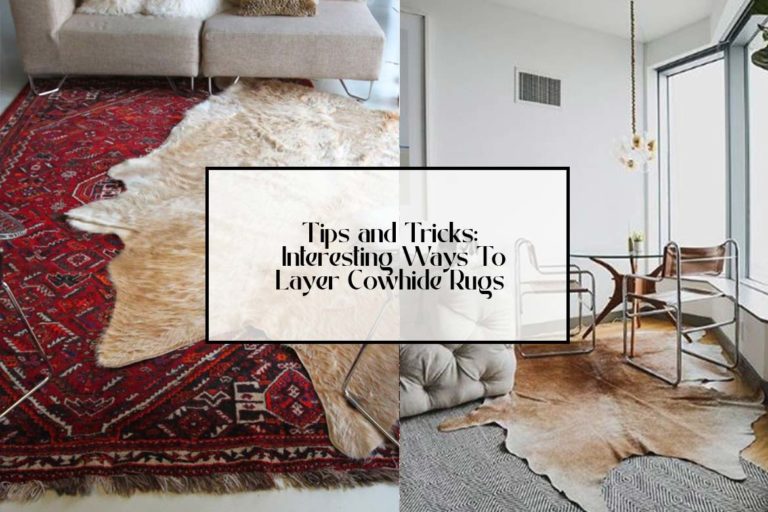
A faded Persian or vintage rug can also work as a base layer. The cowhide adds a contemporary contrast that modernizes the space.

How to Layer a Cowhide Rug (Step-by-Step)
Layering rugs looks effortless when done well, but a few small details make a big difference.
Step 1: Start with the Larger Base Rug
The base rug should anchor the entire seating area.
Ideally, the front legs of sofas and chairs sit on the rug.
Step 2: Choose a Smaller Cowhide
The cowhide should be clearly smaller than the base rug so the edges remain visible.
Step 3: Place the Cowhide Slightly Off-Center
Avoid placing it perfectly centered.
Instead, angle the hide slightly or shift it to one side. This creates a more relaxed, designer look.
Layering rugs can create an interesting room, while keeping things balanced in terms of texture. This can be done by placing one rug over another or adding an area rug between two smaller area rugs.

Where Layered Cowhide Rugs Work Best
Layered rugs are surprisingly versatile.
Here are some of the most common spaces where designers use them.
Living Rooms
The most popular placement.
A layered cowhide rug helps define the coffee table area while adding visual interest.
Searches like “layered cowhide rug living room” show how common this design approach has become.
Bedrooms
A cowhide placed over a large wool rug at the foot of the bed adds softness and warmth.
Dining Areas
In open floor plans, layering can visually separate the dining area from the rest of the room.
Home Offices
Cowhide rugs add texture without overpowering smaller spaces.

Common Mistakes When Layering Rugs
Layered rugs are simple, but a few mistakes can make them look awkward.
Choosing Two Busy Patterns
One rug should stay neutral so the other can stand out.
Using Rugs That Are Too Similar in Size
If both rugs are almost the same size, the layering effect disappears.
Forgetting Texture Contrast
The best combinations mix textures:
smooth + coarse
organic + structured
matte + slightly glossy
Don’t be afraid to mix it up a little!
Layering Patchwork Cowhide Rugs
While natural cowhides are often used for layering, patchwork cowhide rugs can create a more architectural look.
Geometric designs like Chevron, Stripes, or Squares introduce structure while still maintaining the natural beauty of leather.
Because these rugs are handmade from genuine hair-on-hide leather, they combine durability with a refined aesthetic that works in both contemporary and classic interiors. Many homeowners and designers choose custom patchwork rugs to fit specific spaces or color palettes.

Conclusion
Layering Cowhide Rugs Is a Simple Way to Transform a Room
Layering rugs adds warmth, texture, and visual depth to a space.
A large neutral base rug paired with a natural cowhide creates a balanced interior that feels both relaxed and sophisticated.
With the right proportions, textures, and placement, layered rugs can turn an ordinary room into a thoughtfully designed space.

Frequently Asked Questions About Layering Cowhide Rugs
Can you put a cowhide rug on top of another rug?
Yes. Layering a cowhide rug on top of another rug is a popular interior design technique. Because cowhide rugs are naturally thin and flexible, they sit beautifully over larger base rugs such as jute, wool, or sisal. Designers often use this approach to add texture and visual depth to a room.
What rug works best under a cowhide rug?
The best base rugs for layering cowhide rugs are neutral, textured rugs such as jute, sisal, or flatweave wool rugs. These materials create a natural contrast with the smooth hair-on-hide texture of cowhide, allowing the layered look to feel balanced and intentional. But feel free to experiment, and let your creativity flow!
How do you layer a cowhide rug properly?
To layer a cowhide rug successfully, start with a larger base rug that anchors the furniture in the room. Then place the cowhide rug on top, making sure it is smaller than the base rug. Position it slightly off-center or at a subtle angle to create a relaxed, designer-style layout.
Are cowhide rugs durable enough for layered rugs?
Yes. Cowhide rugs are naturally durable and well suited for layered interiors. Hair-on-hide leather is resistant to wear and easy to maintain, making it a practical choice even in living rooms or other moderately high-traffic areas.